MVA CEO Hugh Viney Hits Back at 'Missed Opportunity' SEND White Paper


With the government's long-awaited SEND White Paper now fully released, conversations around the proposals have been passionate, rich, and productive, with a range of experts and educational leaders weighing in.
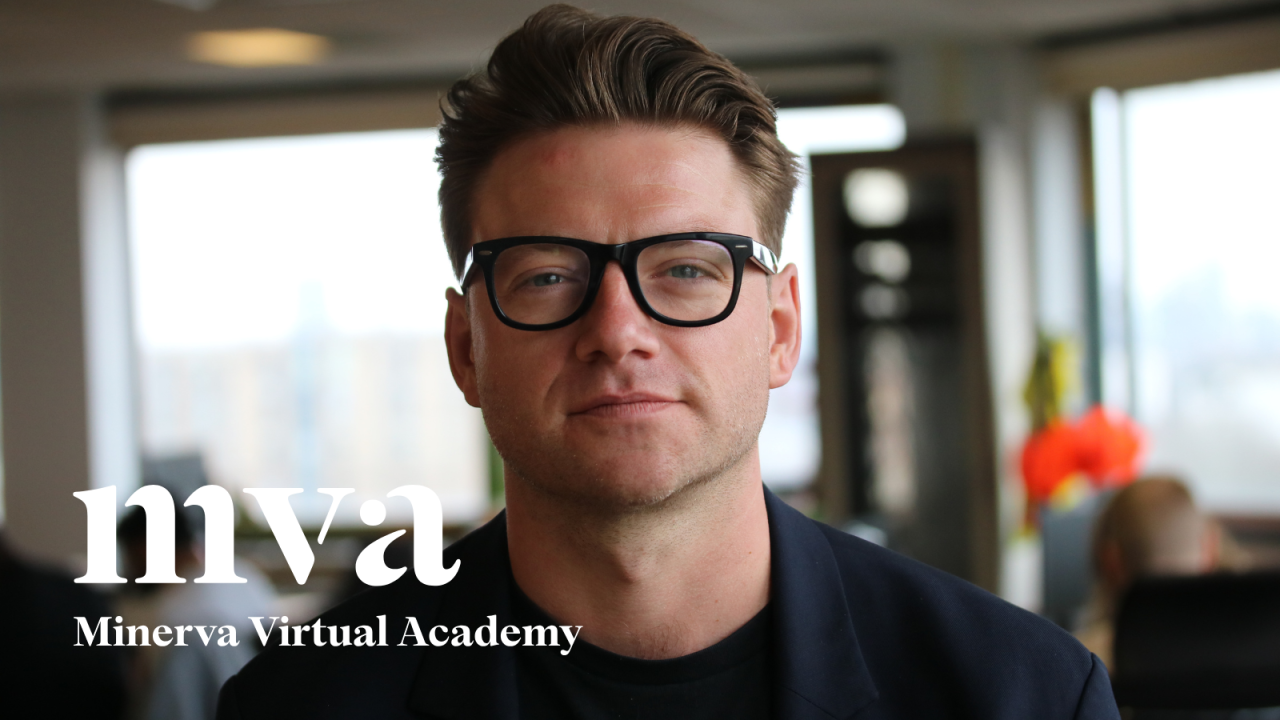
One such voice has been MVA's own Hugh Viney who, fresh off the back of MVA's recently commissioned study into the ballooning and often ineffective SEND spending at local authorities, has been making it clear that he sees the proposed changes as a missed opportunity to go further.
To be clear, the UK faces a crisis with SEND students, with diagnoses rising and already stretched support systems struggling to keep up, any direct effort to improve conditions is a welcome development. But the government has also made clear that they still see traditional, mainstream schools as the only real option for children with SEND needs, and are directing significant funds towards transforming these schools for this purpose.
Again, this is positive, but it's ignoring the wider reality in pursuit of a narrower goal.
Writing for SEND Futures, Hugh said:
For many children, mainstream absolutely does work. With the right support and leadership, it transforms lives. But for others, the challenge is not ability – it is the environment.
Busy classrooms, rigid timetables and sensory overload can make attendance unsustainable. These pupils are often capable learners, yet they struggle with the physical and structural demands of a traditional school day. A reform that focuses only on helping the mainstream cope better may not address that fundamental mismatch.
Without parallel recognition of flexible alternatives, there is a risk that some vulnerable pupils – including those experiencing severe anxiety, trauma or sensory overload – remain poorly served.
This perspective is based on the phenomenal results seen at MVA and other alternative provisions, where SEND pupils' performance drastically improve outside of the mainstream environment academically, as well as in terms of wellbeing and attendance.
MVA's own GCSE results for SEND pupils last year saw the national 14.6 point attainment gap closed down to just 0.2, and students who had previously been persistently or entirely absent from school hit attendance rates of 98%.
Speaking to Children & Young People Now, Hugh had this to say:
Some pupils need different environments to attend consistently, engage in learning and make progress. A more flexible system that includes high-quality virtual provision would help ensure children can access suitable education quickly while giving the system a scalable way to meet rising SEND volumes.
In a way, Hugh's point is the point that MVA has been making since we launched 5 years ago.
The traditional mainstream works for most kids. And, with the right training and support, it can likely work for a lot of children with SEND needs too.
But for many, no matter how much money is spent on adapting school premises and equipping teachers, the environment will simply always be a hard obstacle to learning. And it is an obstacle that is entirely unnecessary.
MVA, and many of our competitors, are living breathing proof that online and hybrid options are far more than the temporary emergency fix that many in the government still seem to picture.
For many, many children, SEND needs or not, a more flexible, compassionate alternative is more than a fix, it is the future.
We hope that, by continuing to prove that fact, we can finally begin to shift these entrenched perceptions and help countless more children outside of our own virtual classrooms.