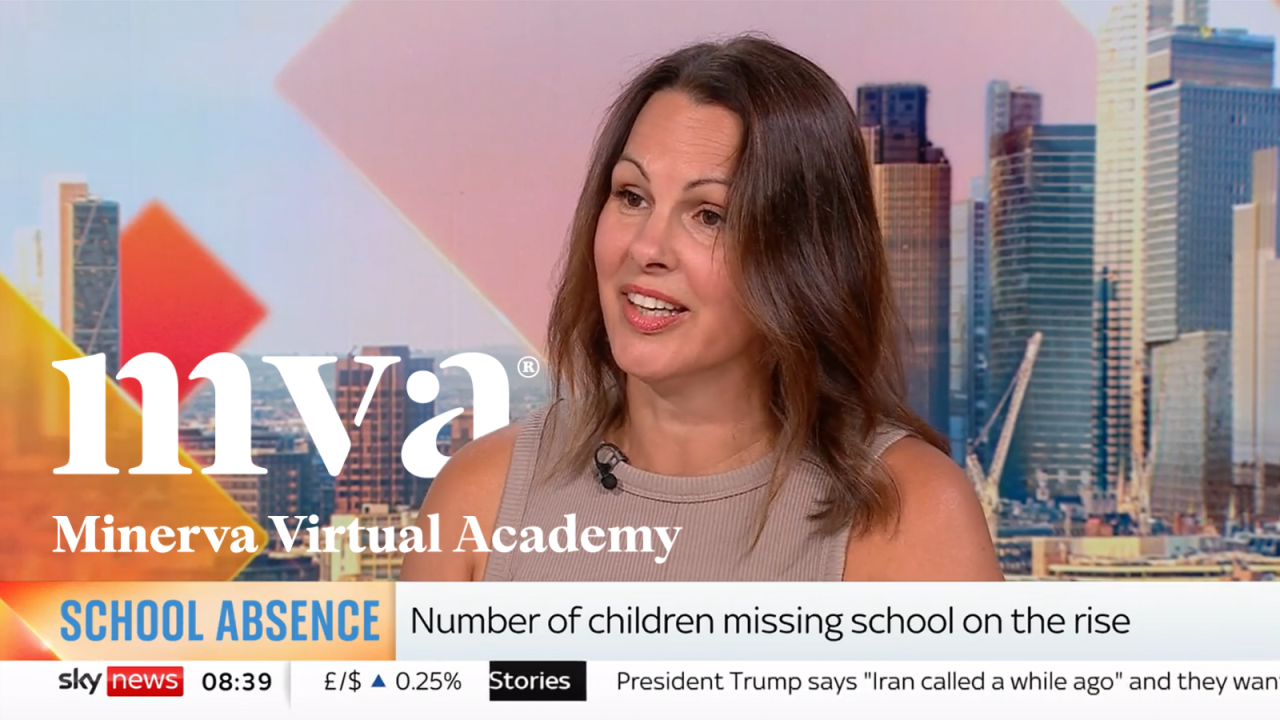
Most Teachers Say Stress and Burnout is Affecting their Teaching, 74% Consider Quitting, New MVA Survey Finds.



Most teachers agree that stress and burnout is affecting their work, pushing some to even consider quitting the profession, according to new research commissioned by MVA.
In a survey of 1000 secondary school teachers (teaching 11-18 year olds) across the state and independent sectors, 70% answered that workplace stress has affected their teaching, with more than a third (34%) reporting that the impact has been significant or severe.
Teachers reported the ways in which this has manifested as ranging from feeling less patient with pupils (20%), delivering lessons that were not their best (18%), and worrying they might lose their temper or snap at a pupil (15%).
This, of course, also takes a significant toll on the teacher, with 63% reporting feelings of guilt, and just under half (45%) describing themselves as a 'bad teacher' in periods of severe burnout.
Most (64%) either agree or strongly agree that teacher burnout is negatively affecting pupil outcomes in their school and over half (51%) agree that their pupils deserve better teaching than they are currently able to give.
So what's gone wrong? How did we get to this point?
The answer seems to be in rapidly ballooning responsibilities, and woefully lacking teacher support.
Many of the teachers surveyed said they increasingly find themselves responding to complex safeguarding issues, mental health crises and serious behavioural incidents, responsibilities that go far beyond traditional teaching roles, with little to no extra support to prepare them for this. Shockingly, 78% also reported experiencing trauma or traumatic incidents over the past year, with almost 1 in 5 (17%) saying these incidents happen very often or all the time.
Almost half (44%) then said that asking for extra support would be seen as weakness at their school, and many feel forced to attempt to cope on their own, further fuelling burnout in a vicious cycle that leaves a third of teachers considering calling in sick due to stress, and three quarters (74%) considering quitting the profession altogether. Of those, almost half (48%) considered quitting within just the first 12 months after qualifying.
These numbers are shocking, and the picture they paint is clear.
Teaching as a profession has become a recipe for widespread stress, burnout, and poor mental health that is pushing educators out of the job almost as fast as they join. This is, obviously, not good enough, and is also urgently unsustainable.
If schooling in the UK is to turn this around, something needs to change.
MVA Founder & CEO Hugh Viney had this to say:
“If we want teachers to stay in the profession, we need to redesign the job rather than expect them to absorb ever-increasing pressure, we need to stop asking them to be one-person factories.”
Assistant Vice Principal, Dominique Low added:
“The best teaching happens when teachers can be calm, patient and fully present for their pupils. But when you’re burnt out, that becomes incredibly difficult to sustain. What makes the biggest difference is having the right structures in place, whether that’s dedicated mentoring for pupils, reduced administrative burden or the ability to adapt teaching more easily within lessons. When those pressures are removed, teachers can focus on what they’re actually trained to do.”
Ultimately, while teachers are some of the hardest-working and dedicated people on the planet, they are still people.
It's time we started treating them like it.